

Herbs That Actually Have Research to Back Them Up
Let’s be honest—the herbal world can feel a bit like the Wild West sometimes. Your aunt swears by some mysterious root she bought online, your yoga instructor recommends adaptogenic everything, and Instagram influencers are brewing moon water with crystals and herbs. It’s enough to make anyone skeptical.
But here’s the exciting part: some of those “ancient remedies” our grandmothers whispered about? Turns out, scientists in lab coats are now proving they actually work. Let’s explore the herbs where folklore and research shake hands and agree.
Turmeric: The Golden Child of Herbal Research
What grandma said: “Turmeric heals everything!”
What science says: “Well… she’s not entirely wrong.”
This bright yellow root has been used in Ayurvedic medicine for over 4,000 years, and modern research has caught up in a big way. The active compound, curcumin, has been studied in over 15,000 clinical trials for its anti-inflammatory and antioxidant properties.
The research highlights:
- Reduces inflammation as effectively as some medications (without the side effects)
- May help with arthritis pain and joint health
- Shows promise for brain health and mood support
- Supports digestive health
The catch: Curcumin is poorly absorbed on its own. Pair it with black pepper (which contains piperine) to increase absorption by up to 2,000%. Traditional Indian cooking knew this all along!
Ginger: The Nausea Ninja
What grandma said: “Ginger settles the stomach.”
What science says: “Absolutely correct!”
Sailors used it for seasickness, pregnant women reach for it during morning sickness, and traditional Chinese medicine has prescribed it for digestive issues for millennia. Now we have the studies to prove it works.
The research highlights:
- Significantly reduces nausea and vomiting (pregnancy, chemotherapy, motion sickness)
- Powerful anti-inflammatory effects
- May reduce muscle pain and soreness
- Helps with osteoarthritis pain
Fun fact: A study published in The Lancet found ginger as effective as vitamin B6 for pregnancy-related nausea, and another study showed it reduced post-exercise muscle pain by 25%.
Ashwagandha: The Stress-Busting Superstar
What Ayurveda said: “This herb gives you the strength of a horse.”
What science says: “It definitely helps you handle stress better!”
This adaptogenic herb has been used in India for over 3,000 years, but Western science only recently started paying attention. Boy, are they glad they did.
The research highlights:
- Reduces cortisol (stress hormone) levels by up to 30%
- Improves sleep quality and duration
- May enhance muscle strength and recovery
- Supports thyroid function
- Reduces anxiety as effectively as some pharmaceutical options
The evidence: A 2019 study in Medicine showed that people taking ashwagandha reported significantly lower stress and anxiety levels, with measurable decreases in cortisol. That’s not just feeling better—that’s biochemical proof!
Peppermint: More Than Just Fresh Breath
What tradition said: “Peppermint soothes the belly.”
What science says: “It’s actually treating IBS symptoms!”
This refreshing herb has been used since ancient Egyptian times (they found dried peppermint in pyramids!). Modern medicine now prescribes enteric-coated peppermint oil for digestive disorders.
The research highlights:
- Clinically proven to reduce IBS symptoms by 40-50%
- Relieves tension headaches when applied topically
- Improves focus and alertness
- Natural antimicrobial properties
Doctor-approved: The American College of Gastroenterology actually lists peppermint oil as a recommended treatment for IBS. When was the last time conventional medicine endorsed an herb so enthusiastically?
Elderberry: The Immune System’s Best Friend
What folklore said: “Elderberry fights off colds and flu.”
What science says: “It actually does shorten illness duration!”
European grandmothers have been making elderberry syrup for generations, and recent studies are validating this tradition beautifully.
The research highlights:
- Reduces flu duration by 3-4 days on average
- Decreases severity of cold and flu symptoms
- Rich in antioxidants and vitamins
- May support heart health
The proof: A 2016 study found that air travelers taking elderberry had significantly shorter and less severe colds than those who didn’t. Science basically just told us grandma was right all along.
St. John’s Wort: The Mood Lifter
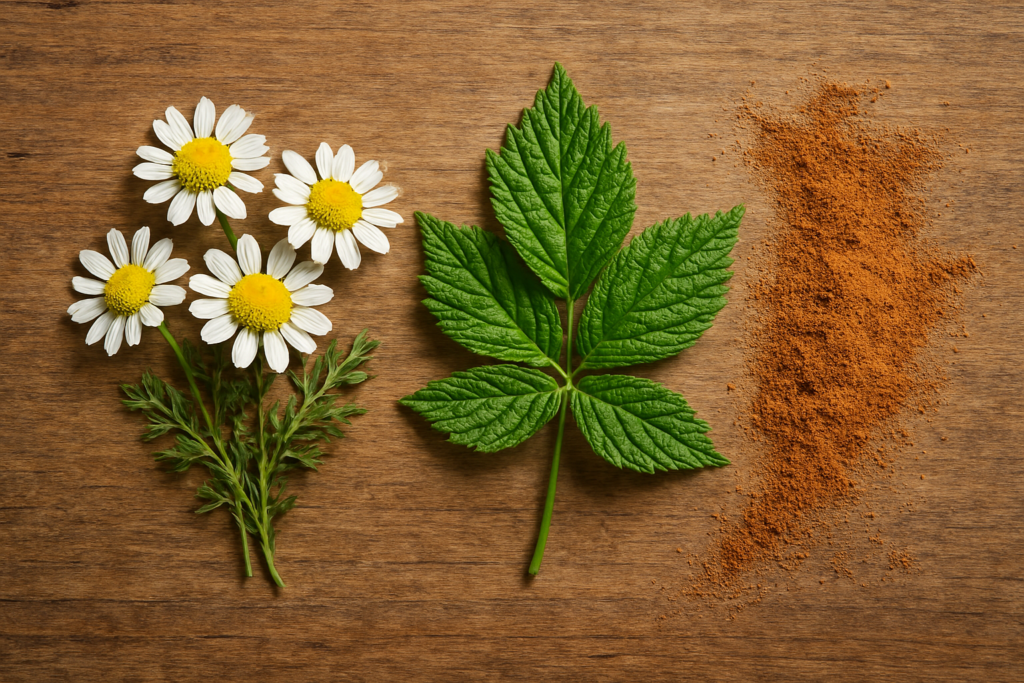
What herbalists said: “This sunny flower lifts dark moods.”
What science says: “It’s comparable to prescription antidepressants for mild to moderate depression!”
Used since ancient Greece for “nervous disorders,” St. John’s Wort is now one of the most well-researched herbs for mental health.
The research highlights:
- Over 35 clinical trials confirm effectiveness for mild to moderate depression
- Fewer side effects than conventional antidepressants
- May help with anxiety and seasonal mood changes
Important note: This herb interacts with many medications (including birth control and antidepressants), so always consult a healthcare provider before using it. Even natural doesn’t mean risk-free!
Why This Matters
Here’s the beautiful thing about these herbs: they bridge the gap between ancient wisdom and modern evidence. Our ancestors weren’t just guessing—they were observing, experimenting, and passing down knowledge that worked.
Now science is catching up, giving us the “why” behind the “what works.” We get the best of both worlds: time-tested remedies with research-backed confidence.
The Smart Approach
Just because something is natural and research-backed doesn’t mean you should go wild:
- Start slow: Begin with one herb at a time so you can observe effects
- Quality matters: Look for standardized extracts and reputable brands
- Talk to your doctor: Especially if you’re on medications or have health conditions
- Be patient: Herbs work gently and cumulatively, not like pharmaceuticals
- Keep learning: New research emerges constantly!
The Bottom Line
The next time someone dismisses herbal medicine as “woo-woo,” you can smile knowingly. Some of these ancient remedies have more clinical trials backing them than many modern treatments.
Science isn’t disproving traditional medicine—it’s explaining it, measuring it, and often confirming what healers have known for thousands of years. And that? That’s pretty amazing.
Which research-backed herb surprises you most? Have you tried any of these? 🌿