

Because Counting Sheep Stopped Working at Sheep #4,327
Let’s be honest. You’re probably reading this with tired eyes, a busy brain, and a body that forgot how to shut down at bedtime.
You’ve tried the warm milk thing. You’ve tried the “put your phone away” thing. You’ve tried staring at the ceiling like it owes you money.
Nothing.
Well, what if we told you that some of the best sleep aids on the planet aren’t in a pharmacy — they’re in a garden?
Herbs have been helping humans sleep for thousands of years. Long before melatonin gummies and sleep podcasts existed, people were sipping their way to dreamland with simple plants.
Let’s meet your new bedtime crew. 🌙
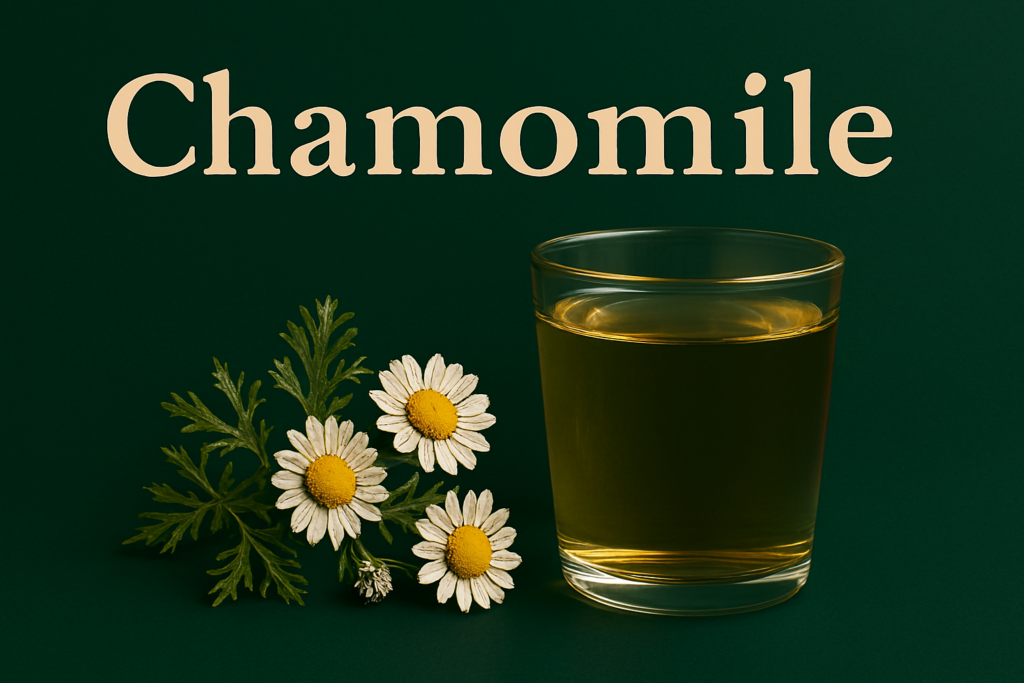
🌼 1. Chamomile — The OG Sleep Herb
You knew she’d be here. Chamomile is basically a warm hug in a cup.
Why it works: Chamomile contains apigenin, a compound that binds to receptors in your brain and gently whispers, “Shhh… it’s bedtime now.”
How to use it: Brew a cup of chamomile tea about 30 minutes before bed. No rush. No scrolling. Just you, the mug, and the silence.
💡 Make it better: Add a tiny drizzle of honey and a splash of warm oat milk. Congratulations — you just made a sleep potion. ✨
💜 2. Lavender — The Scent of Sweet Dreams
Lavender doesn’t even need you to drink it. Just smelling it can calm your nervous system down.
Why it works: Studies show that inhaling lavender essential oil can lower heart rate, blood pressure, and stress levels — basically everything that keeps you staring at the ceiling at midnight.
How to use it:
- Add a few drops of lavender oil to your pillow
- Place a dried lavender sachet inside your pillowcase
- Sip lavender-infused tea before bed
💡 Real talk: If your bedroom smells like lavender and you still can’t sleep, at least your insomnia will be aesthetic.
🌿 3. Valerian Root — The Heavy Hitter
If chamomile is a gentle nudge toward sleep, valerian root is a firm hand on your shoulder saying, “Sit down. Sleep. Now.”
Why it works: Valerian increases GABA levels in the brain — the same calming neurotransmitter that anti-anxiety medications target. Nature really said, “I got you.”
How to use it: Valerian is best taken as a capsule or tincture about 30–60 minutes before bed. You can make tea with it, but fair warning…
⚠️ Honest moment: Valerian tea smells like old socks. We love it, but we won’t lie to you. Capsules might be your best friend here.
🍃 4. Passionflower — The Quiet Mind Herb
You know those nights when your body is exhausted but your brain is hosting a full TED Talk at 1 a.m.? Passionflower is for THAT.
Why it works: It boosts GABA levels (just like valerian), helping quiet that mental chatter and letting your thoughts finally… stop… racing…
How to use it: Passionflower tea is mild and slightly sweet — way more pleasant than valerian. Steep it for 10 minutes, sip it slowly, and feel the mental noise fade.
💡 Fun fact: Despite its exotic name, passionflower was used by Native Americans for centuries as a natural sedative. Ancient wisdom, modern relief.
🌾 5. Lemon Balm — The Joyful Relaxer
Lemon balm is part of the mint family, smells like sunshine, and has been used since the Middle Ages to reduce stress and promote sleep.
It’s basically happiness in leaf form.
Why it works: Lemon balm increases GABA availability and has been shown to reduce anxiety and restlessness — two of the biggest sleep killers.
How to use it: Brew it solo as tea OR (chef’s kiss) blend it with chamomile for the ultimate bedtime combo. The flavor is light, lemony, and lovely.
💡 Growing tip: Lemon balm grows like crazy in pots or gardens. One plant and you’ll have enough for nightly tea all season long.
🌙 The Ultimate Sleepy Time Herbal Blend
Ready to go pro? Combine these herbs into one powerful bedtime tea:
The Dreamland Recipe 🍵
- 1 tsp dried chamomile
- 1 tsp dried lemon balm
- ½ tsp dried lavender buds
- ½ tsp dried passionflower
Pour hot water over the blend. Steep for 10 minutes. Strain. Add honey if you like. Drink slowly in dim light.
Phone off. Worries off. Sleep on. 😴
💤 A Few Bedtime Rules (Herbs Work Best with Good Habits)
Herbs are powerful, but they’re not magic against terrible sleep habits. Give them a fighting chance:
- 📵 Screens off at least 30 minutes before bed
- 🌡️ Keep your room cool and dark
- 🕐 Try to sleep and wake at the same time daily
- 🍵 Make your herbal tea part of a nightly ritual — your brain will start associating it with sleep
Think of it this way: herbs are the lullaby, but you still need to get in bed.
🛑 A Quick Word of Caution
Herbs are natural, but “natural” doesn’t mean “take as much as you want without thinking.”
- If you’re pregnant or nursing, check with your doctor first
- If you take sleep medications or sedatives, talk to a healthcare provider before mixing herbs in
- Start with one herb at a time so you know what works for YOUR body
- Valerian and passionflower can cause drowsiness — don’t drive after taking them (but that’s kind of the point, right? 😄)
🌿 Final Thought
Sleep isn’t a luxury. It’s a necessity. And you deserve it — the deep, restful, wake-up-smiling kind.
The herbs on this list have been helping people rest for centuries. They’re gentle, effective, and waiting for you to give them a try.
So tonight, put the phone down. Brew a cup. Crawl under the covers.
Let the herbs handle the rest. Literally.
Sweet dreams. 🌙🌿
Want to learn more about the healing power of herbs? 📚
Explore our collection of beginner-friendly herbal books at Greenbiebooks.com — your guide to living naturally, one page (and one good night’s sleep) at a time.
Now go to bed. 😴✨